How a Strong Building Skeleton Supports Safety, Durability, and Long-Term Value
A home relies on more than finishes and fixtures to stay safe. The hidden structure carries weight, resists stress, and protects everything inside. When the internal framework is planned and built correctly, walls stay straight and floors feel solid. Doors work as expected and cracks stay away. This topic matters because early framing choices affect every stage of construction and every year of use. Understanding how the structure supports loads helps you avoid costly fixes later. It also helps you ask better questions before building or remodeling.
Understanding the Role of the Structural Framework
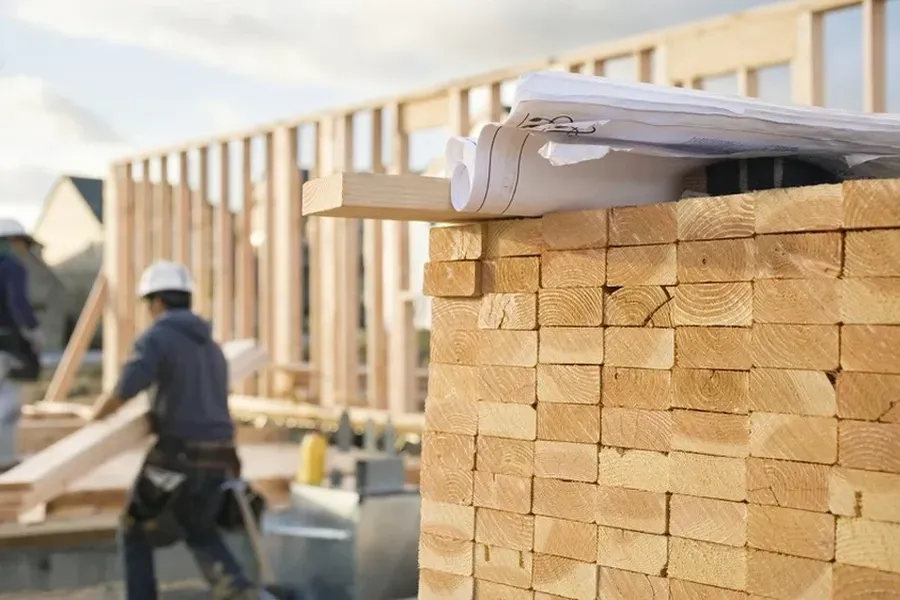
The internal layout of studs, beams, and joists forms the main support system. House framing creates clear load paths that move weight from the roof to the foundation. When installers space members correctly, stress spreads evenly. Poor layout causes sagging floors and bowed walls over time. A sound framework also resists wind and minor ground movement. You benefit from steady walls and quiet floors. Builders rely on plans that show spacing, spans, and fastening points.
Key Benefits of Precise Construction Methods
When House framing follows plans, many problems never start. Straight walls reduce finish issues, and level floors protect appliances. Proper alignment also helps insulation perform as intended. This improves comfort and lowers energy bills. A strong structure also adds value during resale. Inspectors often note framing quality during evaluations. Buyers notice solid doors and windows that operate well.
Common Problems Caused by Poor Structural Work
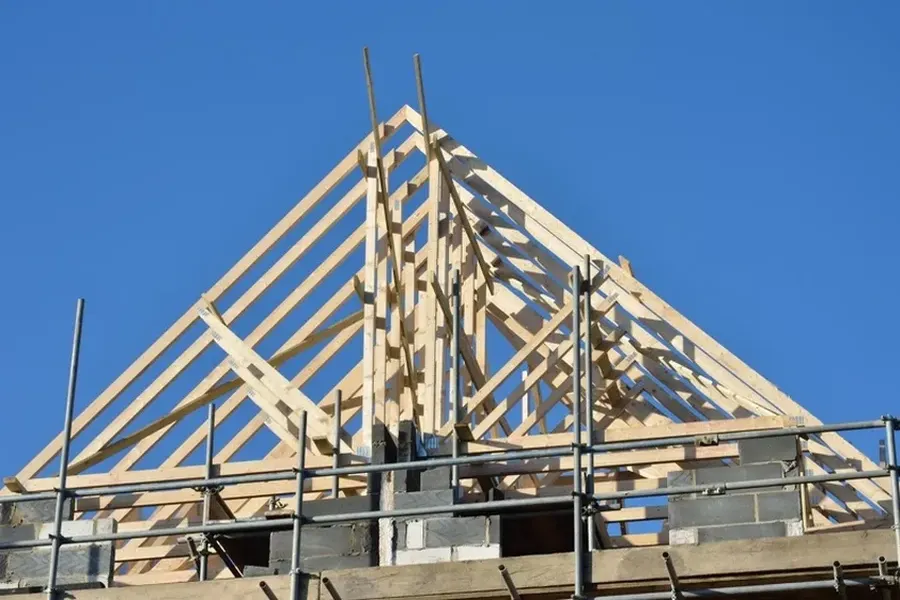
Errors often appear months or years later. Nails can loosen, and joints may separate. You might see drywall cracks near doors or ceilings. Floors can bounce or make noise. Water can enter through gaps created by movement. These problems often trace back to rushed measuring or cheap materials. Fixes cost more after walls close. Early mistakes affect many systems at once.
Practical Steps to Build a Strong Support System
A clear process helps avoid errors and keeps work consistent. Each step builds on the last and leaves less room for guesswork.
- Review engineered plans before cutting any material
- Choose lumber graded for structural use
- Check spacing and alignment at every stage
- Secure joints with approved fasteners
- Inspect before moving to wiring or plumbing
Best Practices That Improve Long-Term Performance
Experienced builders follow proven habits that reduce risk. These actions help ensure the structure stays stable for decades.
- Store lumber properly to prevent warping
- Use moisture barriers where required
- Follow span tables for beams and joists
- Allow space for natural material movement
Industry Codes and Safety Requirements With Compliance
Local and national codes exist to protect homeowners. These rules define spacing, load limits, and fastening methods. Inspectors check work at several stages. Compliance reduces liability and supports insurance coverage. Codes often reference wind loads and seismic needs. Following code also helps pass final inspections without delays. You gain peace of mind knowing the structure meets tested standards.
Cost Factors and Value Over Time
Quality materials and skilled labor cost more at first. Yet they reduce repair needs later. Reworking a finished wall costs much more than doing it right once. A strong structure supports future upgrades without added reinforcement. Over time, lower maintenance saves money. Appraisers often consider build quality during valuation. Spending wisely early protects long-term value.
Comparing Careful Planning Versus Rushed Work
Clear differences appear when comparing approaches. The list below shows how choices affect results.
- Careful planning: stable walls and fewer callbacks
- Careful planning: smoother finish installation
- Rushed work: higher risk of cracks and movement
- Rushed work: increased repair and labor costs
Final Guidance on Structural Framing Decisions
Strong building starts with smart planning and skilled execution. Located in Aurora, CO, we help property owners understand what quality construction involves. Alejandro Perez Construction focuses on clear communication and code-based methods from start to finish. Call (720) 599-2358 to discuss project goals and inspection needs. Together, we protect safety, value, and long-term performance through careful structural choices.