Practical Ways Outdoor Areas Become More Usable and Enjoyable
Outdoor areas often go unused because they feel unfinished or hard to use. Weather, uneven ground, and layout issues can limit comfort. A well planned structure changes how you use your yard each day. It creates a clear place for rest, meals, and social time. Many homeowners want more usable space without adding rooms indoors. A raised platform solves this problem in a simple way. It connects indoor comfort with outdoor freedom. It also adds value by improving flow and function. When done right, the result supports daily living and social use.
Expanding Usable Space Around the Home
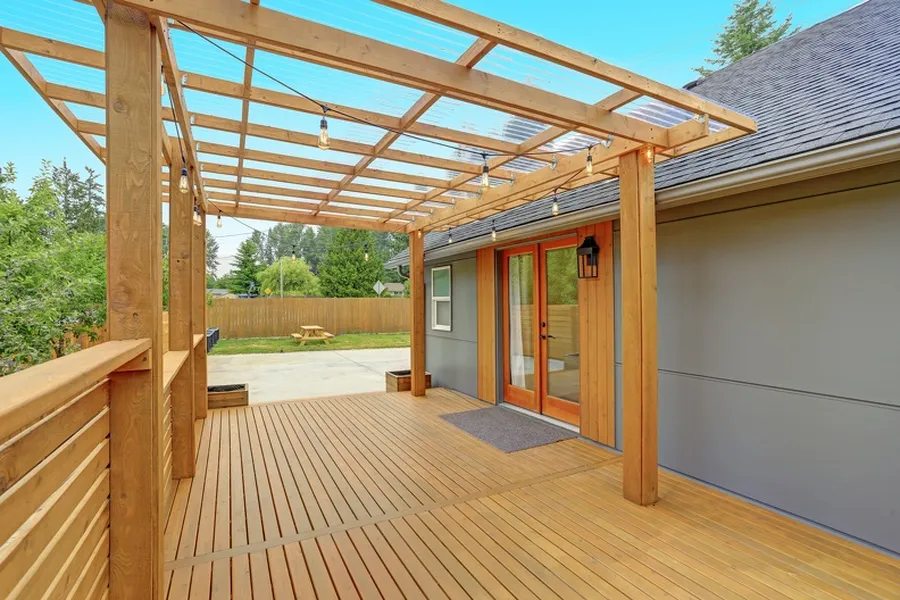
Adding a raised platform turns unused ground into a functional area. Deck installation creates a level surface for furniture and foot traffic. This change allows you to host meals and gather safely. It also helps manage slopes and poor soil conditions. Homes with limited yard space gain extra room for daily use. Real estate studies often show higher buyer interest with outdoor features. The space feels like an extension of your home. You gain function without major structural changes.
Improving Comfort and Daily Enjoyment
Comfort matters when you spend time outside. Deck installation supports steady footing and better drainage. This reduces mud, pests, and standing water. Materials like treated wood or composite boards stay cooler than concrete. Railings add safety for kids and pets. Shade options can reduce heat and glare. These details help you relax instead of adjusting your setup. Small design choices lead to better daily use.
Clear Benefits That Support Outdoor Living
Homeowners often ask what value these platforms bring. The benefits are practical and visible from day one. They support comfort, safety, and social use.
- Creates a stable surface for tables and seating
- Improves drainage during rain
- Adds visual appeal to the yard
- Connects doors to outdoor areas
- Supports lighting and built in features
Common Problems Homeowners Face Without a Platform
Yards without structure can be hard to use. Uneven ground causes tripping risks. Grass wears down under heavy use. Dirt turns to mud after rain. Furniture sinks or tips during use. Bugs gather in damp soil. These issues reduce how often you enjoy the space. Many people stop using their yard because of these problems. A stable surface addresses these concerns directly.
Simple Steps From Planning to Use
Following a clear process leads to better results. Each step helps avoid delays and extra costs.
- Measure the yard and note slopes
- Choose materials based on climate needs
- Design the shape for furniture flow
- Check local permit requirements
- Build with proper supports and drainage
Best Practices That Improve Long Term Results
Good planning and care improve safety and lifespan. Experts recommend focusing on structure and finish.
- Use pressure treated or composite materials
- Seal surfaces to resist moisture
- Install railings where height requires
- Plan lighting for evening use
- Schedule yearly inspections
Understanding Codes and Quality Standards
Most areas require permits for raised outdoor structures. Codes often cover height, railing, and footing depth. These rules protect users and nearby property. Inspectors check spacing and load limits. Using approved fasteners is also common. Following standards avoids fines and rebuilds. It also supports insurance coverage. Always review local rules before starting work.
Cost Factors and Long Term Value
Costs depend on size, materials, and design features. Wood options cost less upfront but need care. Composite boards cost more but need less upkeep. Labor varies by region and access. Added features raise cost but boost use. Many homeowners see value through better resale appeal. The space also reduces indoor wear by shifting activities outside.
Making the Most of Your Outdoor Investment
Located in Aurora, CO, we focus on outdoor solutions that support daily living. Alejandro Perez Construction believes good planning leads to lasting value. Our crews guide each step with clear advice. Call (720) 599-2358 to discuss options and timelines. We help turn unused yards into functional living areas.